

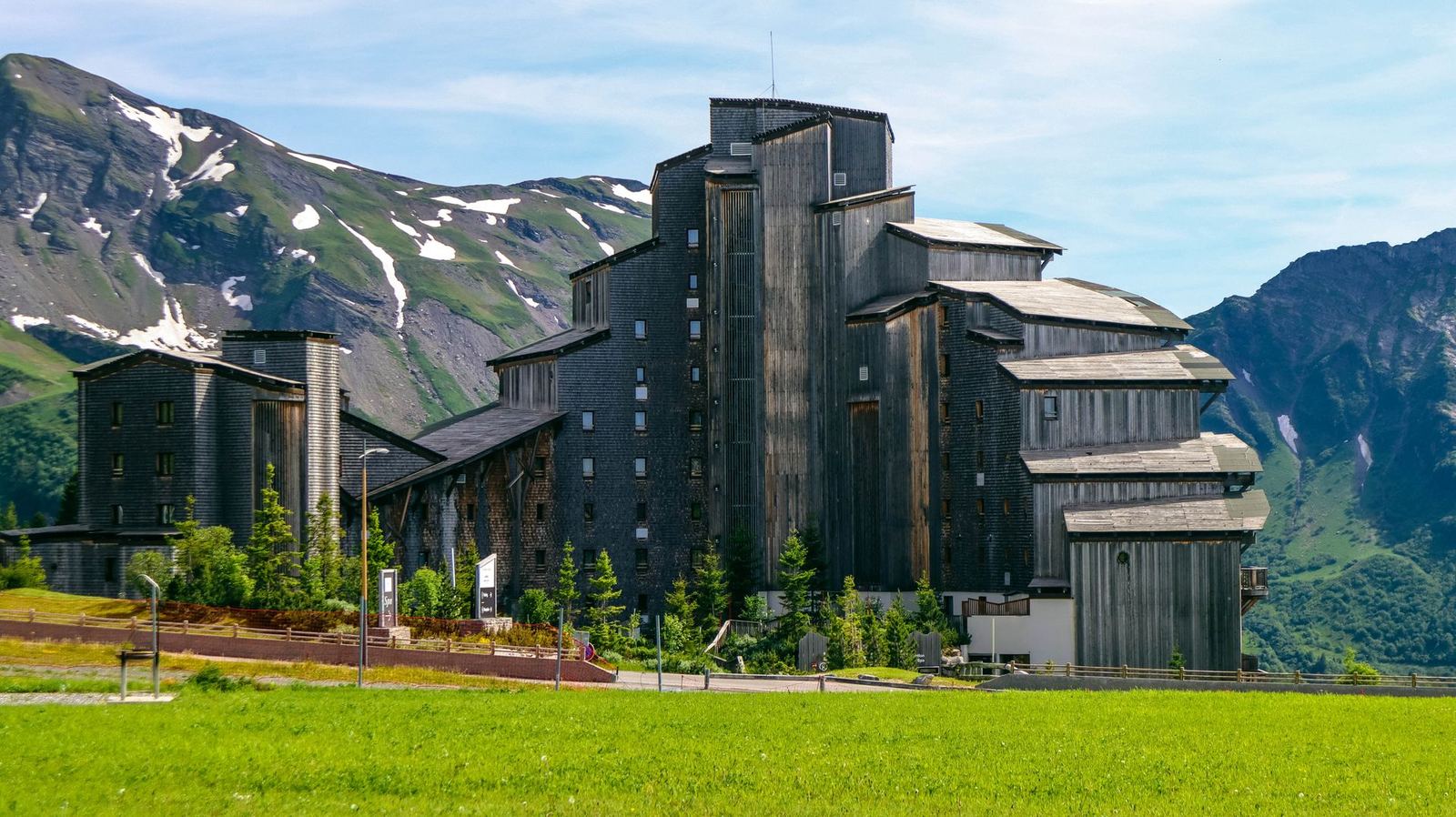
How does the life-cycle carbon analysis we have applied to every project since 2017 change decisions in the first sketches?
Most of a building's carbon footprint is determined when the first sketch is drawn. Decisions on form, structural system and material determine more than 80 percent of the “embodied carbon” released during construction. Since 2017 we as an office have placed this fact at the very center of the design process.
Why life cycle?
For a long time building codes regulated only operational energy. Yet even in an efficient building, as much carbon as in operation, or even more, can be released in producing materials and in construction. Life-cycle assessment (LCA) lets us see the whole picture: production, transport, construction, use, maintenance and demolition.
The process: from sketch to site
- At concept stage: We compare three main structural system alternatives (reinforced concrete, steel, cross-laminated timber) with rough carbon calculations.
- At preliminary stage: When setting the material palette, local and recycled materials are prioritized. The cement content in concrete is lowered.
- At construction documents stage: Specifications require environmental product declarations (EPDs) from suppliers.
- On site: The carbon budget is set at the start of construction and tracked month by month.
Example: Yayla Hotel
At Yayla Hotel in Uludağ, switching the structural system from reinforced concrete to cross-laminated timber cut embodied carbon by about 45 percent. Timber panels prepared in the factory also reduced construction time to four months. Biomass and a ground-source heat pump were chosen for heating; the hotel's operational carbon is therefore close to zero.
Challenges
We also see that timber is not suitable at every scale and in every climate: fire safety, moisture and maintenance responsibilities must be handled with care. In addition, the number of building materials with EPDs in Türkiye is still limited; we are therefore working with suppliers to make this certification more widespread.
Our advice to clients
If as a client you want to reduce carbon, write it on the first page of the project brief. Carbon decisions made early in design often do not raise cost; thanks to reuse and optimal structural design they can even lower it by 3–6 percent.
You can read our full low-carbon building policy on the Design Approach page.
Tools and data
The office uses open-source life-cycle databases and BIM material take-offs for carbon calculations. At the end of every project the carbon results are recorded in an internal archive; data from 41 projects has accumulated there so far. This data lets us make quick comparisons on new projects.
Frequently asked questions
“Is low-carbon design more expensive?” In our experience mostly not; but for some products (for example cross-laminated timber) the initial investment may rise 4–8 percent. This difference usually closes within 6–10 years through shorter construction time and lower operating energy. “Is it mandatory under regulations?” Not fully yet; but energy performance certificate requirements are tightening every year.
Related Posts
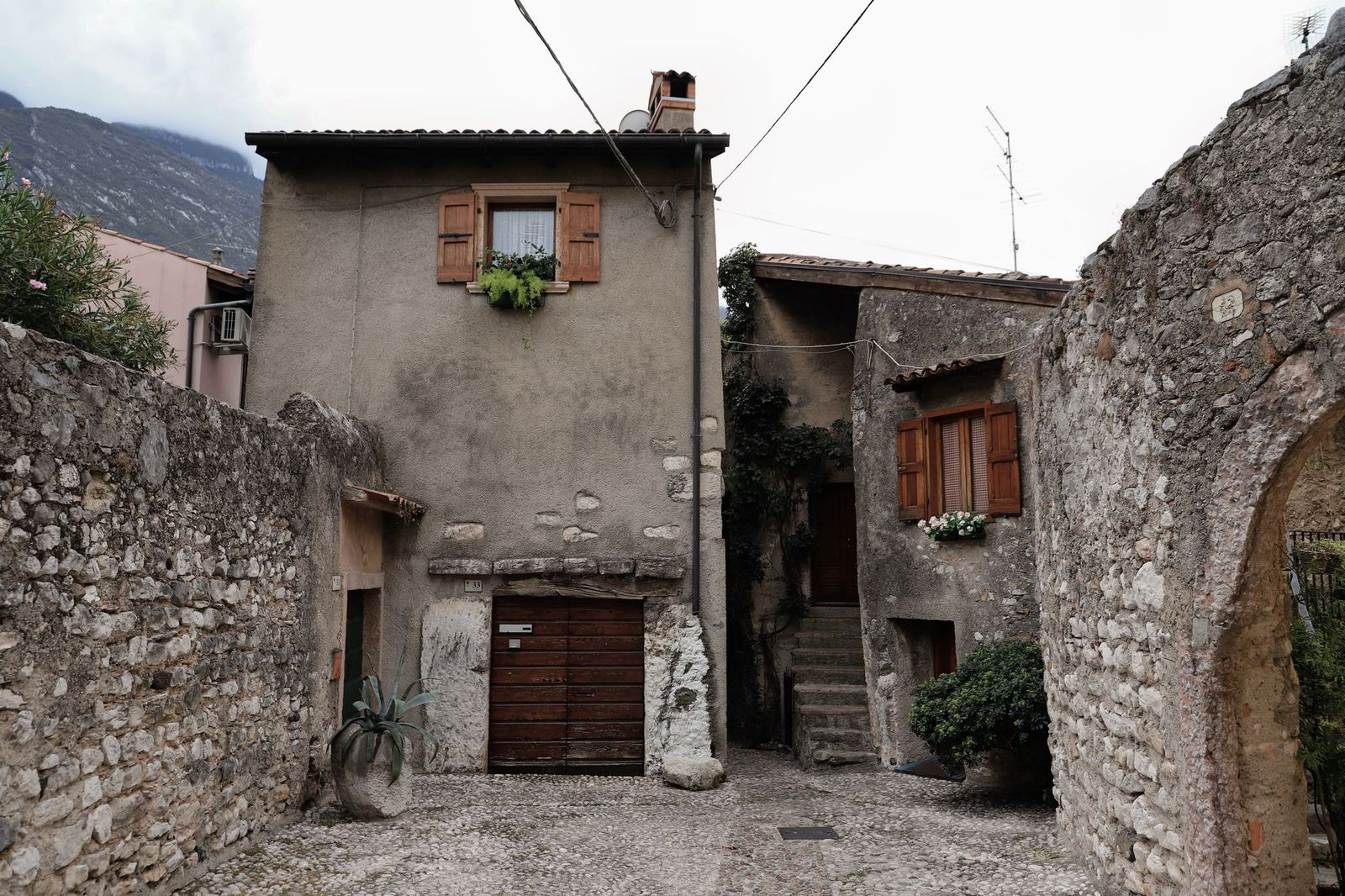
Contemporary housing in local stone: notes from Mardin
What we learned at Stone Courtyard Housing: stone craftsmanship, courtyard layout and passive cooling in temperatures above 40 degrees.
Read More